
Growth Without Compromise: Fiona Orchard on Why Culture Comes First
)
For Fiona Orchard, HR has never just been about policy or process - it’s about unlocking potential across a business. What drives her work is understanding what makes employees thrive, how teams connect, and how a company can scale up without losing its soul.
Fifteen years into her career, Fiona brings rich experience across global teams and high-growth businesses but, more importantly, she brings the confidence to challenge and shape what’s next. As Head of HR at CloserStill, she’s focused on widening access to opportunity and nurturing passion, so that growth enhances our culture, not dilutes it.
Olivia: Could you tell us about your professional history, and what first interested you in a career in HR?
Fiona: Honestly, I never planned to work in HR. I graduated with a law degree and planned to qualify as a lawyer but didn’t want to commit to taking the Legal Practice Course straight away - it’s expensive. Instead, I took a junior HR role at Burberry (because it was Burberry) thinking it would be temporary… it wasn’t!
Since then, my career has grown and changed a lot. I’ve worked with heritage brands and helped scale a Silicon Valley disruptor from 0 to 250 people in the UK, navigated the tough reality of closing a business and also learned what cultures work for me, and which don’t. Fifteen years later, I’m still in HR!
 Olivia: What drew you to joining CloserStill?
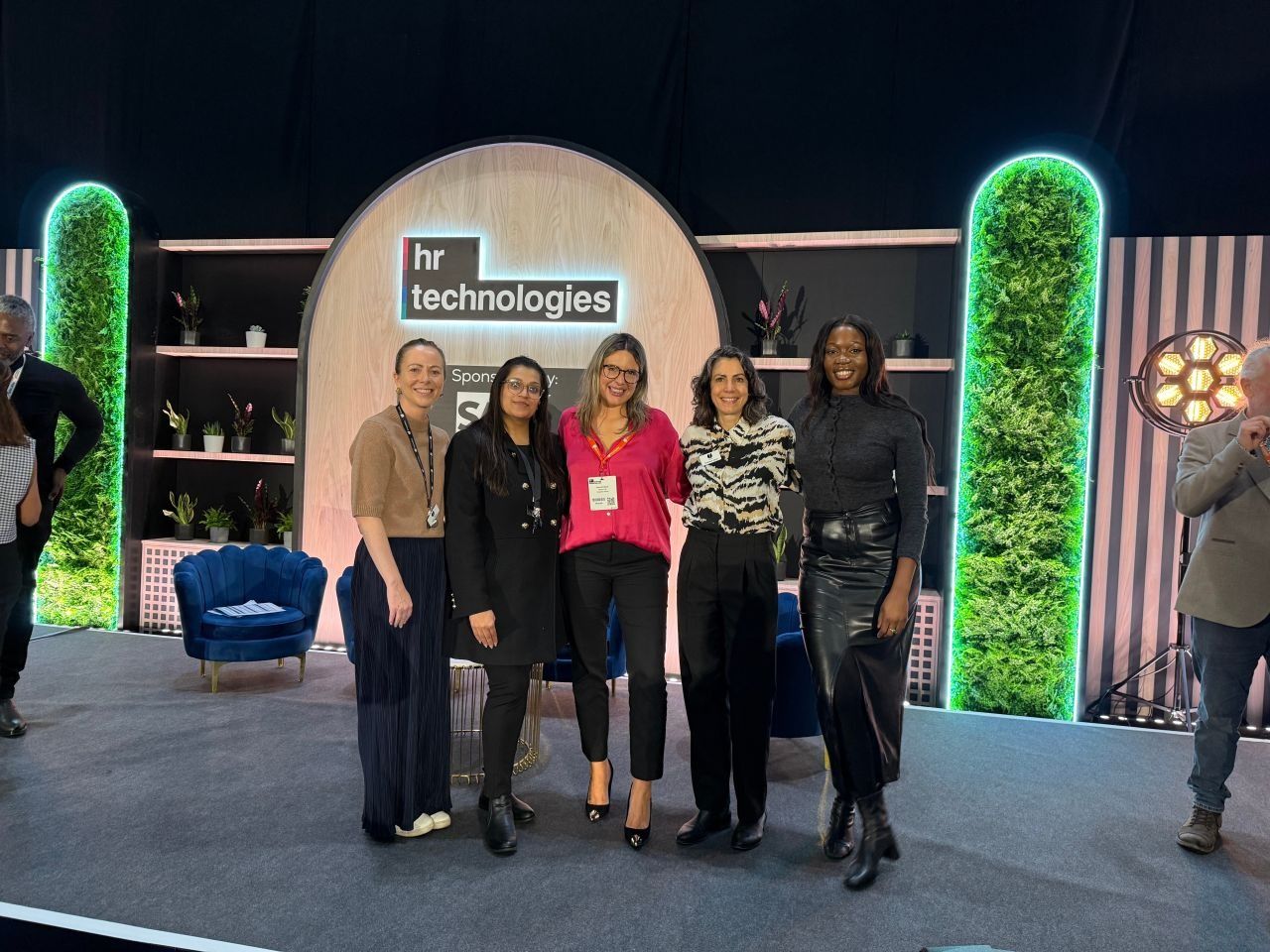
Fiona: When I got the call about CloserStill, a few things immediately stood out. The events and exhibitions industry was completely new to me, which was exciting in itself. But what really grabbed me was our M&A strategy. Growing through acquisition and the HR challenge that comes with that - integrating businesses, shaping culture and bringing people together – is what I found genuinely intriguing.
Olivia: How would you describe CloserStill’s culture - and how does it compare to other organisations you’ve worked in?
Fiona: In some companies, culture is very deliberate and engineered, which absolutely has its benefits. Here, its a little different. We have strong values and clear intent, but they are used more as guard rails rather than as heavily built into processes. The culture comes from the people and the leaders. It feels entrepreneurial, shaped by a diverse demographic and by the fact that many of the original team are still here. You’re trusted to interpret our values in your own way, and I think that’s why our culture feels so authentic.
Olivia: You’re now co-leading our award-winning Graduate Bootcamp. What excites you most about shaping our early careers talent?
Fiona: The programme has been brilliantly run so far, so it is a big responsibility. For a company of our size to have such a successful  graduate scheme, with strong retention, is incredible. I’m quite nervous about taking it on!
However, this year, I feel like my main value add into the programme is a laser focus on skills development and continuing to champion social mobility – which CloserStill has always cared deeply about. Graduate programmes can be selective and limiting, so we’re being very intentional. We’ve partnered with Making The Leap to widen access and encourage candidates from different backgrounds to apply. It’s tough out there for young people - the pressure and expectations are huge. If we can play even a small role in helping people access meaningful careers, that’s something I’m really proud of.
Olivia: Will there be any changes to this year’s edition of Graduate Bootcamp?
Fiona: This year’s cohort will experience additional department rotations, giving them broader exposure across the business. As I mentioned, we’re also leaning into skills development in a more structured way; introducing clearer development pathways, and a stronger focus on building transferable skills, all while protecting the energy and spirit that’s made the Bootcamp so successful.
Olivia: You work across our UK, Spain and Germany teams. What’s one thing you wish each team understood better about the others?
Fiona: I think it’s easy, and I’m guilty of this too, to forget how different it can feel when you’re not in the London hub. Here, you naturally absorb context from being around leaders and day-to-day conversations. In our other office locations, even with strong communication 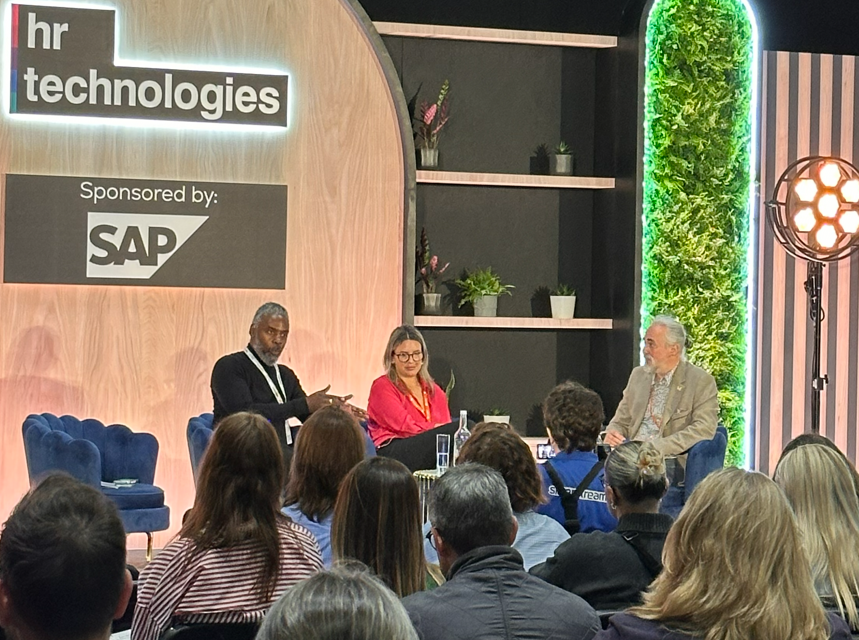 channels, sometimes things feel different or separate simply because you’re physically in a different space. We work hard to minimise that, but we can always be more conscious of it by listening more and building stronger cross-office relationships, so everyone feels equally connected to the bigger picture.
Olivia: What do you personally enjoy most about working at CloserStill?
Fiona: The passion. People genuinely and deeply care, and that’s not something you can manufacture. For me, the real challenge is how we protect that. As we become bigger, more diverse and more international, my job is to make sure growth never dilutes what makes us special.
Olivia: What else can our teams look forward to from HR this year?
Fiona: A much bigger push on learning and development - we want to consciously continue the conversation around growth, knowledge-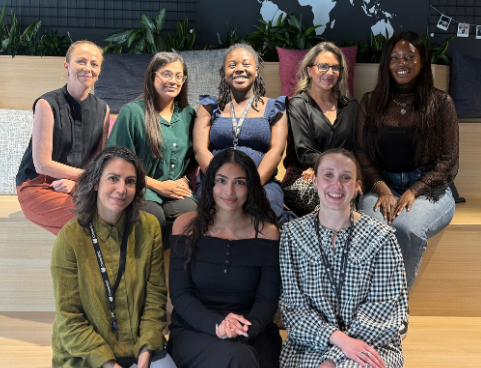 sharing and internal networking. Not everyone has a neat, linear career path, and that’s fine. So, we’re thinking more creatively about how people build skills, broaden their exposure and grow their impact, even without a title change. It’s about making development practical, visible and part of everyday working life.
Olivia: What’s one common misconception about HR that you’d love to challenge?
Fiona: Perhaps less so now, but HR has traditionally been seen as the ‘tissues and issues’ department. And yes, we’re here when things go wrong - but that’s only a small part of what we do. Much more of our work is proactive and strategic: shaping culture, thinking about organisational design, helping the business build fair and competitive reward structures, planning for growth and helping the business evolve in a sustainable way.
We’re here for everyone, not just when there’s a problem, but when you’re thinking about your career, your development or how to make things better - make some time to come and see the team.